Tuesday, March 26, 2019

Healthcare Apps

There are many benefits to using health apps. Health apps help patients manage their health positive way. Health apps help patients to achieve their goals. The most common health apps are used for fitness and diet.

Confidentiality Concerns
  • The main concerns for health apps is if health app provides confidentiality for patients. Some things to look for are if a app requests a signed consent and how the patient's personal information is being use and the reasons are made clear to the user. Another consideration if the patients personal medical information is protected. 


Some other things to look for in an health app is there
  • Research substance to the App?
  • Who is providing information for the App?
  • Is the App offering something to good to be true?
  • Is the app recommended by a healthcare professional (for example: nurse, doctor)?
  • Review App description, veiwer ratings, and review
Health Apps Examples and Links

Blood Pressure Companion App: (Monitor Blood Pressure)

https://asolytics.com/applications/de-medando-bloodpressurecompanion?utm_source=bing&utm_medium=cpc&utm_campaign=%5BANN-US-D%5D%20General%20-%20Search%20-%20USA%20-%20Desktop&utm_term=blood%20pressure%20companion&utm_content=blood%20pressure%20companion

HealthyOut App
https://itunes.apple.com/us/app/healthyout-healthy-restaurant-nutrition-guide/id566409966 (Lifestyle App) 

AliveCor ECG Heart Monitor App: www.alivecor.com (Cardiac Monitoring)

GlucOracle App: glucoracle.com (Diabetes Management)


Reference:

Retrieved from :
https://www.ncbi.nlm.nih.gov/pmc/articles/PMC4286553/
https://www.mdanderson.org/publications/focused-on-health/health-app-choices.h11-1589046.html
https://www.termsfeed.com/blog/privacy-guidelines-health-apps/
(Retrieved image from https://www.imedicalapps.com/wp-content/uploads/2016/03/FI_HealthApps.jpeg)
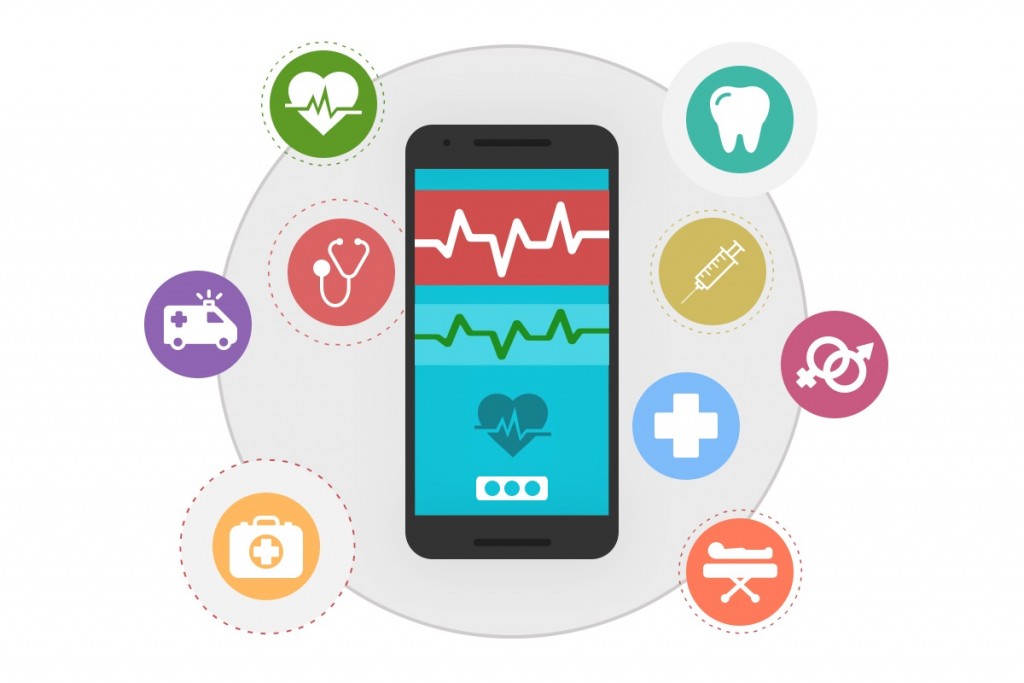


Image result for healthcare apps

Computer Literacy

Computer Literacy Basics

To improve computer literacy there needs to be an understanding of the basics. Patients need to be well imformed about internet service providers, modems, routers, web browsers, and "the cloud".


These components are involved when preforming a search online. Some of the internet service providers are century and xfinity. These are different that provide internet. Some of the equipment arethe modem and the router. The modem is the hardware that allows a computer to transfer information. The router helps the flow of the internet. Another component are web browsers. Web browsers allow access to the world wide web or the internet. Some examples of web browsers are Chrome, Firefox and  Internet Explorer. The term "the cloud" is when there are many data centers that more than one person can use.


Reference:
What is the Cloud Computing (2013).  Amazon Web Services. Retrieved from https://aws.amazon.com/what-is-cloud-computing/

(Retrieved image from https://en.wikipedia.org/wiki/Cloud_computing and https://helpdeskgeek.com/networking/can-connect-to-wireless-router-but-not-to-the-internet/ and https://www.ccboe.com/schools/craik/index.php/students/2016-03-23-19-57-51/2016-03-23-15-11-16)

Support Groups

There are many benefits to support groups. Support groups help patients through challenging times such as a new diagnosis, bad news, or a longterm illness. Support groups are in many forms. There are support groups online for patients. Online support groups are more convenient for patients. Online support groups have confidentiality risks as well. Depending on the online support group, there are different levels of privacy. This can be a benefit for privacy but a risk for fraud.


Some things to consider before joining a support group:
  • The purpose of the support group
  • How often does group meet?
  • Is there a facilitator?
  • Is there a mental health expert involved in the group?  
  • Does the website have provide appropriate comments?

Support Groups:

Mental Health America: http://www.mentalhealthamerica.net/find-support-groups
  • This support group provides support for mental health. Its online community is organized through Inspire program. 
National Multiple Sclerosis Society: https://www.nationalmssociety.org/Resources-Support/Find-Support
  • This support group provides networking within the Multiple Sclerosis community. This website provides patients support as patient and family explore health issues.
CancerCare: https://www.cancercare.org/support_groups/
  • This website support provides support for cancer patients and their families. This program is directed by onocology social workers.


Reference:
https://www.mayoclinic.org/healthy-lifestyle/stress-management/in-depth/support-groups/art-20044655

(Retrieved images from https://www.spine-health.com/blog/cyber-hugs-how-online-support-groups-help-chronic-pain)

Patient Portals

Patient portal and online health records have many benefits. Some of those benefits are efficiency and convenience in accessing health records for healthcare providers and patients. Patient information is known at providers fingertips. With electronic health records, there are lower chances of duplication, lost information, more accurate shared information. In order for a patient portal to be successful patient need to know how to use technology. Since patient portal and health records are easier than ever to access and there is also a risk of breaking confidentiality and security. When there is a security breach, HIPPA is at risk of being violated as well. Electronic systems convenient but they are not perfect. Security breaches within patient portals could spiral into worse problems such as system accidents.  The biggest risk for a security breach is using a not secure internet such as public interent at a cafe, airport, or any public area.


Reference: 

Collmann J, & Cooper T. (2007). Breaching the security of the Kaiser Permanente internet patient portal: the organizational foundations of information security. Journal of the American Medical Informatics Association, 14(2), 239–243. Retrieved from https://search-ebscohost-com.hal.weber.edu/login.aspx?direct=true&db=cin20&AN=105963133&site=ehost-live

(Images retrieved from https://holycrossmedicalcenter.org/ and https://healthcareitskills.com/what-is-a-patient-portal/ and https://getreferralmd.com/2013/10/patient-engagement-patient-portal/)


Healthcare Websites


Image result for honcode certification
When deciding which website to use for more information about your current health condition here are some things to consider: the qualifications of the website, who write the website, how is website connected (which a group, organization, government body). To know if a website is trustworthy look at the information at the website, the references of the website, and if the claims to the website are too good to be true. The purpose for most websites is to educate about lifestyle. For example: eat healthily, exercise and rest. A useful website would have information to benefit patients such as how to seek help, daily tips and prevention skills (Moore & Ayers, 2011). Another way to know if a website is reliable is it has logos (HONcode) and certifications at the bottom of the web page. Below are listed reliable websites. 


Reference:

Moore, D., & Ayers, S. (2011). A review of postnatal mental health websites: help for healthcare professionals and patients. Archives of Women’s Mental Health, 14(6), 443–452. https://doi-org.hal.weber.edu/10.1007/s00737-011-0245-z 


Websites
Alzheimer’s Association
American Cancer Association
American Diabetes Association
American Heart Association
Center for Disease Control and Prevention
KidsHealth
Mentalhealth.gov

National Health Council

Logo certificat HONCode 
(Retrieved images from https://www.healthonnet.org/HONcode/Conduct.html?HONConduct636199 and https://www.heart.org/)